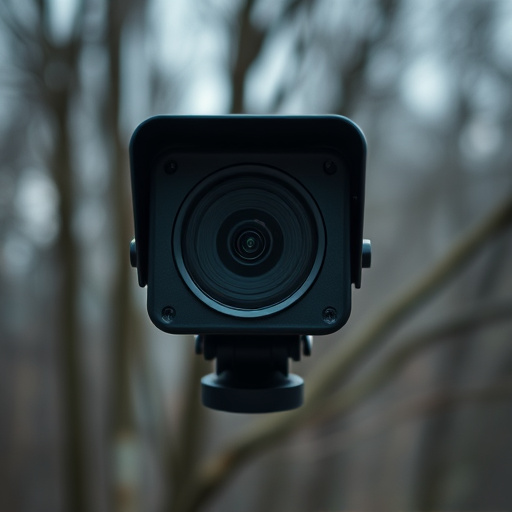
Covert Motion Detector Security Cameras offer strategic surveillance with advanced sensors, optimizing storage and battery life by recording only when movement is detected. Discreetly placed in entry points or corridors, these cameras feature high-resolution sensors and low-light imaging for clear footage. Effective setup involves strategic placement, custom zone configurations, wired infrastructure, and regular firmware updates. Regular maintenance post-installation ensures optimal performance, minimizing false alarms and guaranteeing reliable operation.
Uncover the power of covert motion detector security cameras with this comprehensive guide. Learn best practices for installing a discrete network of these advanced surveillance devices, ensuring optimal performance and maximum discretion. From understanding the technology behind them to post-installation strategies for maintaining their effectiveness, this article covers everything you need to know to implement a successful covert camera network.
- Understanding Covert Motion Detector Security Cameras
- Best Practices for Network Installation
- Ensuring Discretion and Effectiveness Post-Installation
Understanding Covert Motion Detector Security Cameras
Covert Motion Detector Security Cameras are designed to operate discreetly, making them ideal for surveillance purposes where minimal notice or disruption is desired. These cameras use advanced motion detection technology to trigger recording only when movement is detected, ensuring efficient storage space and longer battery life. Understanding how these cameras work is crucial for their successful installation. The devices typically feature small, unobtrusive designs that blend seamlessly into their surroundings, from wall-mounted sensors to window or door attachments. They employ high-resolution sensors and low-light imaging capabilities to capture clear footage even in challenging lighting conditions.
For optimal performance, these security cameras should be strategically placed in areas prone to activity while ensuring they remain hidden from view. This might involve positioning them near entry points, corridors, or valuable assets. Proper configuration is also key; setting sensitivity levels and custom zones ensures the camera captures only the relevant movements, reducing false alerts. Regular maintenance and testing are essential practices to guarantee the network remains reliable, with all cameras functioning correctly and synchronising data effectively.
Best Practices for Network Installation
When installing a covert motion detector security camera network, it’s crucial to prioritize discreetness and reliability. Begin by assessing the area thoroughly to identify optimal placement for each camera, ensuring minimal visible interference while maintaining comprehensive coverage. Utilize specialized mounting techniques and high-quality, infrared-enabled cameras designed for stealth operations, allowing them to blend seamlessly into their surroundings.
To ensure a robust network, implement a wired infrastructure whenever possible, as it offers superior stability over wireless options. Cross-connect cameras through a centralized control unit, enabling efficient monitoring and management. Regularly update firmware and employ encryption protocols to safeguard video feeds from unauthorized access. Additionally, integrate sophisticated motion detection algorithms to minimize false alarms while capturing relevant footage for analysis.
Ensuring Discretion and Effectiveness Post-Installation
After installing a covert motion detector security camera network, maintaining its discretion and effectiveness is paramount. Discreetly positioning cameras in hard-to-see locations helps ensure no one becomes aware of their presence, preserving the element of surprise that makes these systems powerful deterrents. It’s crucial to consider factors like lighting, shadows, and existing obstacles when selecting camera placement for optimal visibility without drawing attention.
Regular maintenance and testing post-installation are key to keeping covert cameras effective. This includes checking camera angles, ensuring clear visuals, and verifying motion sensor sensitivity. Updating firmware, cleaning lenses, and replacing batteries as needed will also ensure the system remains reliable, capturing high-quality footage when triggered by movement.
The strategic deployment of covert motion detector security cameras offers a powerful yet discrete solution for enhancing security. By following best practices during network installation, including careful planning, secure cable management, and efficient power distribution, you ensure optimal performance and maintain the camera’s covert nature. Post-installation, regular maintenance and discretion are key to maximizing effectiveness, ensuring these advanced systems remain undetected while providing robust surveillance capabilities.