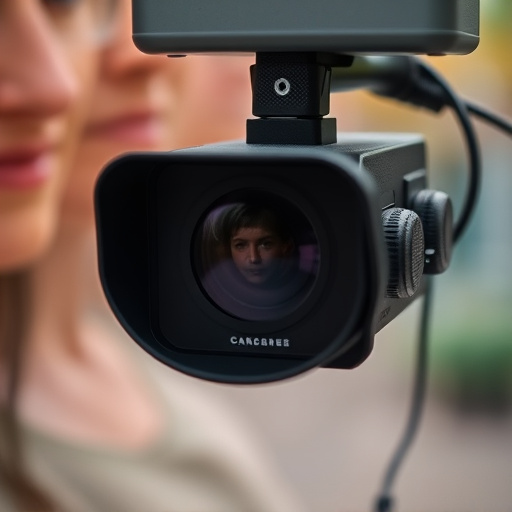
Covert Motion Detector Security Cameras are advanced surveillance tools that operate discreetly while monitoring high-security areas. Professionals use them as part of a counter-surveillance strategy, planning and preparation crucial for effective sweeps. These cameras gather visual intelligence, maintain optimal performance through maintenance, and aid in post-sweep analysis to enhance security protocols and mitigate future threats.
In today’s digital age, understanding covert motion detector security cameras is a crucial step in countering surveillance sweeps. This professional methods guide delves into the intricacies of planning, preparation, deployment techniques, and best practices for effective counter surveillance. Learn how to identify and counteract hidden motion sensors used by advanced cameras, ensuring your operations remain secure. Key topics include the latest technologies, strategic positioning, and comprehensive post-sweep data interpretation.
- Understanding Covert Motion Detector Security Cameras
- Planning and Preparation for Counter Surveillance Sweep
- Deployment Techniques and Best Practices
- Post-Sweep Analysis and Data Interpretation
Understanding Covert Motion Detector Security Cameras
Covert Motion Detector Security Cameras are an advanced form of surveillance technology designed to operate discreetly and effectively. These cameras use sophisticated motion detection algorithms, often integrated with infrared or other low-light sensors, to trigger recording only when there is movement in their field of view. This ensures that they remain invisible to potential intruders, making them ideal for high-security areas where discretion is paramount.
Professionals in the counter surveillance field utilize these cameras as part of a comprehensive sweep strategy, targeting hidden or concealed devices that may be monitoring sensitive spaces. By understanding how these motion detectors work, experts can employ tactics to bypass or neutralize them, while also leveraging their capabilities to uncover sophisticated surveillance equipment.
Planning and Preparation for Counter Surveillance Sweep
Planning and preparation are paramount when conducting a counter surveillance sweep, ensuring every detail is considered to mitigate potential risks effectively. The first step involves thorough intelligence gathering, where professionals scrutinize the target area’s historical data, known threats, and any unusual activities. This includes analyzing security footage from nearby cameras and employing covert motion detector security cameras to uncover hidden surveillance devices.
A comprehensive plan should then be devised, incorporating strategies to neutralize or evade existing surveillance systems. This may involve using counter-surveillance equipment, such as signal jammers or infrared cameras, to disrupt or mask the target’s visual and electronic surveillance capabilities. By combining these techniques with careful route planning and identifying safe houses for cover and rest, a successful sweep can be executed while minimizing detection and maximizing operational security.
Deployment Techniques and Best Practices
In a counter surveillance sweep, Deployment Techniques play a pivotal role in ensuring the effectiveness of the operation. One powerful tool that professionals often employ are Covert Motion Detector Security Cameras. These devices offer unparalleled discretion, allowing for the monitoring of sensitive areas without raising suspicion. By strategically placing these cameras in hidden locations, teams can gather critical visual intelligence while maintaining operational security.
Best practices dictate a thorough assessment of the environment prior to deployment. This involves identifying potential observation points and high-risk zones. Additionally, it’s crucial to consider the lighting conditions and environmental factors that may impact camera performance. Regular maintenance and calibration ensure the cameras function optimally, providing clear footage even in challenging circumstances. These meticulous approaches significantly enhance the accuracy and success rate of counter surveillance sweeps.
Post-Sweep Analysis and Data Interpretation
After completing a comprehensive counter surveillance sweep, the next critical step is Post-Sweep Analysis and Data Interpretation. This involves meticulous examination of all collected data and evidence, including footage from covert motion detector security cameras. Professionals in this field utilize advanced software tools to analyze the video content, identifying any suspicious activities or potential threats that may have been missed during the initial sweep.
By carefully reviewing the footage frame-by-frame, experts can spot subtle patterns, unusual behavior, or hidden signals that could indicate covert surveillance or intelligence gathering. This process demands a high level of technical proficiency and keen observational skills to ensure no detail goes unnoticed. The insights gained from this analysis are invaluable for enhancing security protocols, identifying vulnerabilities, and developing targeted countermeasures to thwart future surveillance attempts.
A successful counter surveillance sweep relies on a comprehensive understanding of covert motion detector security cameras and meticulous planning. By employing strategic deployment techniques and adhering to best practices, professionals can effectively detect and neutralize hidden camera systems. Post-sweep analysis plays a pivotal role in interpreting data and identifying areas for improvement. In the ongoing battle against surveillance intrusions, staying informed about these advanced technologies is essential for safeguarding sensitive information and maintaining privacy.