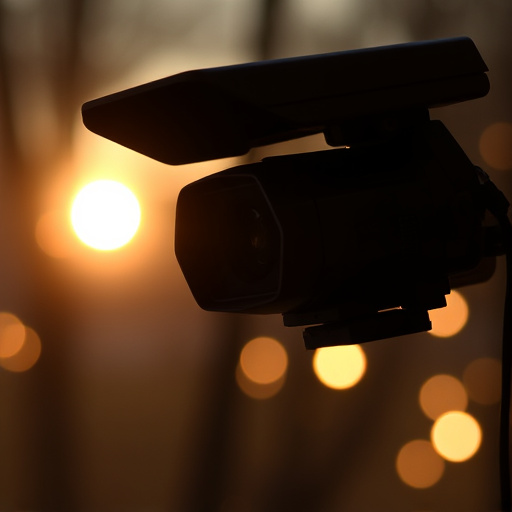
Covert Motion Detector Security Cameras offer discreet surveillance, with strategic placement and consideration of battery life, field of view, and image quality crucial for effective deployment. Legal boundaries surrounding covert recording must be respected to avoid privacy concerns. These cameras, disguised in everyday objects, capture motion-activated footage or alerts, ideal for sensitive environments. Detecting hidden cameras is vital; security professionals use specialized tools and methods like infrared technology to counter their usage, emphasizing proactive security measures and best practices.
In an era where privacy is a paramount concern, understanding and countering covert recording equipment has become essential for individuals and organizations alike. This article delves into the intricate world of hidden surveillance, offering insights on detecting and preventing covert motion detector security cameras. We explore placement strategies for discreet surveillance, providing practical tips to safeguard your personal and professional spaces. By armed with knowledge, you can protect your privacy and maintain a sense of security in today’s digital landscape.
- Understanding Covert Recording Equipment
- Placement Strategies for Discreet Surveillance
- Detecting and Countering Hidden Cameras
Understanding Covert Recording Equipment
Covert recording equipment, often referred to as hidden cameras and motion detectors, is designed to operate discreetly, making it an effective tool for surveillance. These devices can be placed almost anywhere, from small, unnoticeable sensors in corners or behind objects to more sophisticated systems disguised as everyday items like lightbulbs or smoke detectors. The primary function of covert motion detector security cameras is to capture video footage or trigger alerts when movement is detected, allowing users to monitor areas remotely and gather evidence discreetly.
Understanding the capabilities and limitations of these devices is crucial for effective implementation. While they offer unparalleled discretion, ensuring their successful deployment requires careful planning and knowledge. Factors like battery life, field of view, and image quality vary among models, dictating strategic placement based on specific surveillance needs. Additionally, staying updated on legal considerations related to covert recording in public or private spaces is essential to avoid potential privacy issues.
Placement Strategies for Discreet Surveillance
When deploying covert recording equipment, strategic placement is key for effective and discreet surveillance. Security professionals often employ a combination of hidden cameras and motion detectors to capture unwanted activities without raising suspicion. Discreet surveillance systems are designed to blend into their surroundings, using innovative techniques like mimicking everyday objects or installing devices behind furniture or in false light fixtures.
For instance, covert motion detector security cameras can be positioned in corners, along walls, or inside ceiling-mounted lights, offering a 360-degree view of the target area. These hidden recorders activate only when motion is detected, ensuring efficient storage of relevant footage. Such strategic placement allows for continuous monitoring while maintaining an air of normalcy, making it a preferred method for sensitive environments where covert observation is essential.
Detecting and Countering Hidden Cameras
Detecting hidden cameras, often referred to as covert recording equipment, is a crucial aspect of modern security measures. With advancements in technology, these devices can be tiny and easily concealed, making them difficult to identify. However, professionals employ specialized tools like covert motion detector security cameras to uncover such setups. These advanced cameras are designed to detect unusual movements or changes in an environment, triggering alerts that may indicate the presence of hidden recording devices.
To counter the use of hidden cameras, individuals and organizations should be vigilant and proactive. Regular inspections using infrared technology or thermal imaging can help identify potential hiding spots. Additionally, implementing security protocols like securing walls, windows, and doors can deter would-be installers. By staying informed about the latest detection methods and keeping up with industry best practices, one can significantly reduce the risk of becoming a victim of covert surveillance.
Covert motion detector security cameras, while powerful tools for discreet surveillance, require a delicate balance between placement and detection. By understanding the technology and employing strategic placement methods, individuals can enhance their privacy and security measures. Equally important is being vigilant and knowledgeable about detecting hidden cameras to counter potential breaches. With the right approach, it’s possible to maintain control over personal spaces while mitigating the risks associated with covert recording equipment.