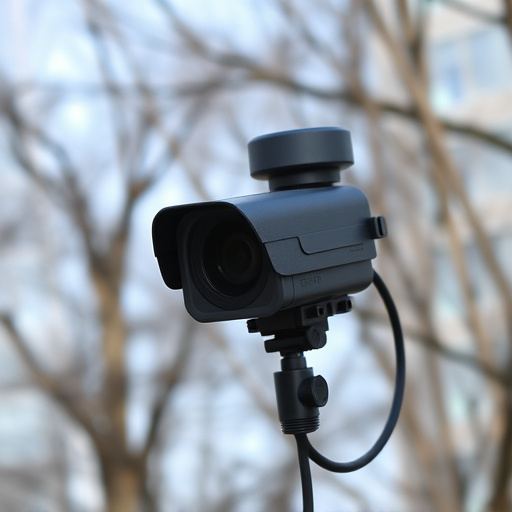
Covert Motion Detector Security Cameras offer discrete yet powerful home security by blending into surroundings, capturing high-res footage via smartphone apps, and deterring intruders. Install strategically in places like attics, basements, or near access points with minimal line-of-sight for unobtrusive monitoring. Integrate with existing systems, maintain regular updates, and respect privacy regulations while utilizing these cameras responsibly. Schedule routine maintenance to ensure optimal performance and problem-free operation.
“Enhance your home’s security with the discreet power of covert motion detector security cameras. This comprehensive guide explores the art of integrating these unassuming devices into your residential safety strategy. From understanding their benefits and selecting optimal installation spots to ethical considerations and troubleshooting tips, we cover all aspects. Discover how to harness the advantages of covert cameras while navigating privacy concerns and legal boundaries. Get ready to transform your home’s security landscape.”
- Understanding Covert Cameras: Benefits and Use Cases
- Choosing the Right Location for Secret Installations
- Integration with Motion Detectors: A Step-by-Step Guide
- Ethical Considerations: Privacy and Legal Aspects
- Maintenance and Troubleshooting Tips for Residential Systems
Understanding Covert Cameras: Benefits and Use Cases
Covert motion detector security cameras offer a discrete yet powerful solution for residential safety. Unlike traditional cameras that can be easily spotted, these hidden devices are designed to blend into their surroundings, making them ideal for surveillance purposes. The primary benefit lies in their ability to capture unawares moments, deter potential intruders, and provide invaluable evidence in case of an incident.
Use cases vary from monitoring high-value assets within the home to ensuring the safety of elderly or vulnerable individuals. Their covert nature allows homeowners to install them in strategic locations without raising suspicion, fostering a sense of security and peace of mind. With advanced motion detection capabilities, these cameras can activate silently, capturing high-resolution footage that can be remotely accessed via smartphone apps, offering convenience and enhanced protection.
Choosing the Right Location for Secret Installations
When mounting covert motion detector security cameras, selecting the optimal location is key. Think about areas with frequent movement but minimal direct line-of-sight from windows or common entry points to avoid detection. Attics, basements, and exterior walls offer strategic advantages for capturing footage unobtrusively.
Consider placing these cameras near potential access points like garage doors, backdoors, or windows with limited visibility. The goal is to capture clear, unaltered video evidence while remaining hidden. Using a variety of mounting options, from magnetic bases to hidden compartment installations, allows for versatile placement tailored to your specific needs and the layout of your home.
Integration with Motion Detectors: A Step-by-Step Guide
Integration with Motion Detectors: A Step-by-Step Guide
For optimal residential security, consider integrating your covert motion detector security cameras with a home’s existing motion detection system. This synchronization ensures that camera activation occurs precisely when motion is detected, maximizing surveillance effectiveness. Begin by assessing your property for existing motion detectors—whether wired or wireless—and identifying their placement. Next, procure compatible security cameras designed to work seamlessly with these detectors. Consult with a security professional if needed to ensure proper compatibility.
Follow the manufacturer’s instructions to connect the cameras to the motion detector network. This typically involves assigning camera inputs to specific detector zones and configuring settings for synchronized activation. Once linked, test the system thoroughly in various scenarios to verify accurate and reliable camera initiation upon motion detection. Regular maintenance and updates will further ensure optimal performance of your covert security measures.
Ethical Considerations: Privacy and Legal Aspects
When installing covert motion detector security cameras, it’s essential to balance security benefits with ethical considerations regarding privacy and legal aspects. While these cameras offer enhanced residential safety by detecting and recording motions discreetly, their placement must adhere to moral standards and applicable laws. Homeowners should ensure they are not infringing on neighbors’ privacy rights or violating local regulations related to surveillance.
Understanding the legal framework surrounding covert security cameras is crucial. Different regions have distinct rules regarding consent, reasonable expectations of privacy, and permissible uses of recorded footage. It’s vital to consult with professionals who can guide you on installing these devices in compliance with data protection laws, ensuring that any captured images or videos are used responsibly and for legitimate security purposes only.
Maintenance and Troubleshooting Tips for Residential Systems
Regular maintenance is key to ensuring your residential security system, including covert motion detector security cameras, operates at peak performance. Schedule routine checks to verify camera functionality, clear lens visibility, and proper placement. Test all sensors and ensure they are sensitive enough to detect movement without false triggers. Keep records of these tests for future reference.
Troubleshooting common issues promptly can prevent system malfunctions. If a camera isn’t recording as expected, check power connections and storage capacity. Sometimes, simple adjustments like cleaning the lens or re-positioning the device can solve problems. Familiarize yourself with manufacturer guidelines for troubleshooting specific models of covert motion detector security cameras to address issues efficiently.
When properly implemented, covert motion detector security cameras can significantly enhance residential safety. By understanding their benefits, strategically choosing installation locations, integrating them with motion detectors, and addressing ethical considerations, homeowners can leverage these devices to protect their properties effectively. Regular maintenance and troubleshooting will also ensure optimal performance, making your home safer and more secure.