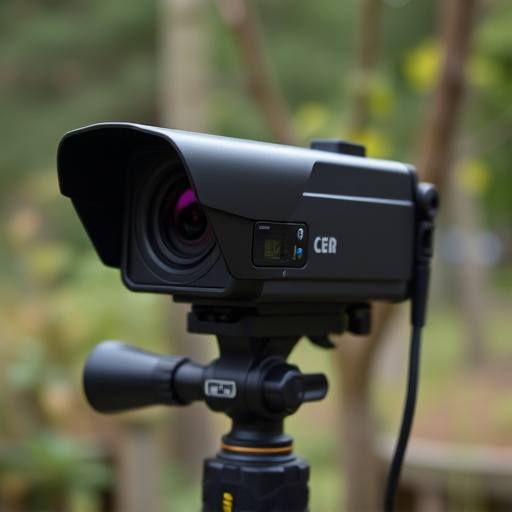
Covert Motion Detector Security Cameras offer advanced, discrete surveillance technology that records only when movement is detected. Discretion is key in their deployment—strategic placement involves using natural camouflage like gardens or curtains, considering weather and electromagnetic fields, and integrating them as everyday objects. Regular maintenance ensures optimal performance, including testing sensors, cleaning, inspecting connections, and updating firmware for reliable, discreet monitoring.
Uncover the art of discreet surveillance with our comprehensive guide to disguised recording equipment placement. Explore the world of covert motion detector security cameras, designed to blend seamlessly into their surroundings. Learn the key factors for strategic placement, discover creative disguise techniques, and master best practices for installation. From selection to maintenance, this guide equips you to deploy an effective hidden security system, ensuring peace of mind in today’s vigilant world. Uncover the secrets to successful covert surveillance with our expert insights on motion detector cameras.
- Understanding Covert Motion Detector Security Cameras
- Factors to Consider for Disguised Equipment Placement
- Choosing the Right Disguise Techniques
- Best Practices for Installation and Setup
- Maintaining and Monitoring Your Hidden Security System
Understanding Covert Motion Detector Security Cameras
Covert Motion Detector Security Cameras are a sophisticated and discreet form of surveillance technology designed to operate unnoticed while monitoring activity in an area. Unlike traditional security cameras, these devices employ advanced motion detection algorithms to trigger recording only when movement is detected, ensuring that they remain invisible to potential subjects. This strategy not only preserves the integrity of evidence but also minimizes false alarms by focusing on genuine security concerns.
The placement of Covert Motion Detector Security Cameras requires careful consideration and strategic planning. They should be positioned in areas where natural human motion patterns are least predictable, such as corners or behind objects that can provide cover. Additionally, these cameras often benefit from being placed at eye level to capture clear footage without raising suspicion. By integrating them into existing decor or infrastructure, these security solutions become nearly imperceptible sentinels, offering enhanced safety and peace of mind.
Factors to Consider for Disguised Equipment Placement
When planning the placement of disguised equipment, such as covert motion detector security cameras, several key factors come into play. The primary consideration is always discretion—the goal is to install the devices without drawing attention to their presence. This involves carefully evaluating the area to be monitored, taking note of potential blind spots and obstacles that could hinder the camera’s field of view or detectability. For instance, a strategically placed motion detector within a lush garden or behind a dense curtain may go unnoticed by the naked eye but offers optimal surveillance coverage.
Lighting is another critical aspect; natural light patterns can be manipulated to create shadows or highlights that facilitate the camera’s operation while maintaining a natural appearance. Additionally, consider the location’s environment—weather conditions, temperature fluctuations, and potential sources of interference like electromagnetic fields from nearby devices—as these factors can impact equipment performance. By thoughtfully addressing these variables, you ensure the effectiveness and longevity of your disguised security system.
Choosing the Right Disguise Techniques
When planning the placement of disguised recording equipment, selecting the right disguise techniques is paramount to achieving effective surveillance without detection. Incorporating Covert Motion Detector Security Cameras into your strategy offers a sophisticated solution. These cameras are designed to blend seamlessly into their surroundings, whether it’s a ceiling tile that looks like a standard light fixture or a wall outlet masquerading as a fire detector.
The key lies in understanding the environment you’re monitoring and choosing disguises that align with these settings. For instance, using high-quality artificial plants or decorative items to house cameras can be highly effective in spaces like offices or retail stores. In contrast, more industrial settings might benefit from disguised equipment integrated into machinery or structural components, such as false pipes or vent covers.
Best Practices for Installation and Setup
When setting up covert motion detector security cameras, discretion is key. Best practices involve mounting them in strategic locations where they blend seamlessly into the environment, such as behind picture frames, indoor plants, or ceiling fan blades. Avoid placing them in obvious spots like directly above doors or windows, as these areas are more likely to be noticed by potential intruders. Opt instead for less conspicuous angles that still capture clear footage of entry points and common areas.
Ensure reliable power connections and secure wireless signals for optimal performance. Position the cameras within line-of-sight of the areas you wish to monitor, minimizing obstructions like curtains or furniture. Regularly test the motion sensors and camera functionality to ensure they operate as intended, providing early detection and high-quality surveillance footage.
Maintaining and Monitoring Your Hidden Security System
Maintaining and monitoring your hidden security system is crucial for ensuring its effectiveness as a covert motion detector security camera. Regular checks are essential to verify that all components remain functional, untamperd with, and properly positioned. This includes testing battery life in wireless devices, cleaning sensors to prevent dust buildup, and inspecting connections to ensure secure data transmission. Using remote monitoring software allows you to stay connected even when away, enabling quick response times to any alerts or anomalies.
A well-maintained system can provide continuous surveillance without drawing attention. To enhance this, consider implementing a smart notification system that alerts you based on specific triggers like motion detection or unexpected changes in environmental conditions. Regular updates and firmware patches for your security cameras and detectors are also vital to patch security vulnerabilities and ensure optimal performance. This proactive approach will help keep your hidden security system robust and reliable over time.
Disguising security equipment is an art, and with the right approach, you can create an effective yet invisible surveillance system. By understanding covert motion detector security cameras and employing strategic placement techniques, you enhance your home or business’s security while maintaining a natural environment. Remember, the key to success lies in considering factors like lighting, proximity to potential obstacles, and regular maintenance. With these guidelines, you’re well-equipped to install and manage a hidden security system that provides peace of mind without compromising aesthetics.